
TRISK RESEARCH RESIDENCY
The Research Residency offers an immersive studio environment for an artist to explore their process without the expectation of a performance outcome. Designed for those looking to deepen or expand their current practice, the residency provides time, space, and resources to support focused exploration. The residency encourages curiosity and invites the artist to work in a way that honors their unique rhythm. With flexible scheduling and access to in-house support, this platform can be shaped to meet the needs of an artist’s evolving process.
2026 RESEARCH RESIDENT ARTIST
CAMRYN STAFFORD
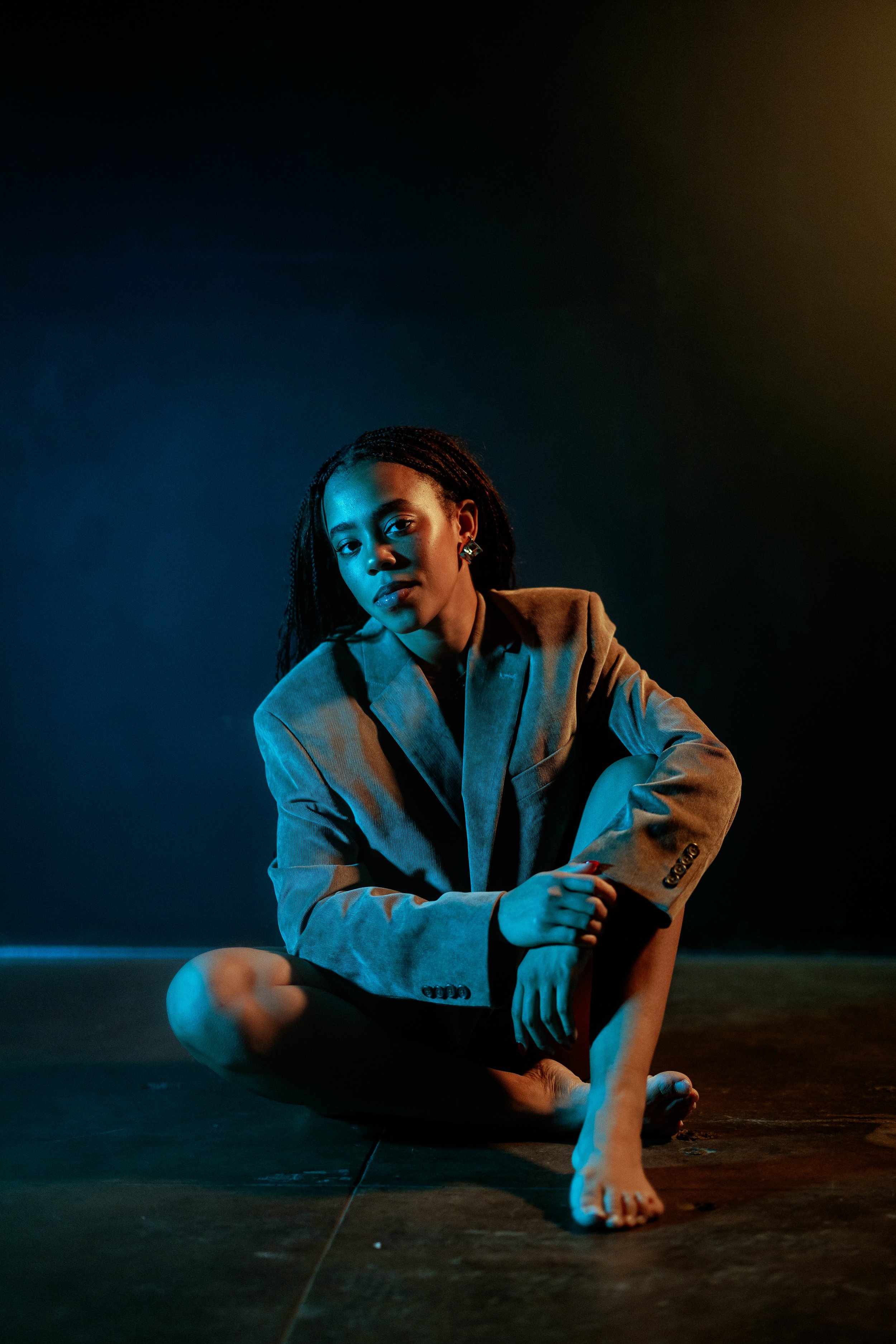
Photo by Hannah Mayfield
Camryn Stafford is a NYC-based dancer, choreographer, and educator. Originally from Dallas, TX, she trained at Dallas Black Dance Academy and Booker T. Washington HSPVA. Camryn is a graduate of Princeton University with a degree in African American Studies, Dance, and Entrepreneurship. Her undergraduate senior dance thesis, "There She Is," received the Toni Morrison Prize, the Outstanding Creative Work award, and Dr. Brenda Dixon Gottschild’s accolades. She has received funding from the Lewis Center of the Arts to pursue creative and choreographic research. Camryn has trained at prestigious institutions such as Alvin Ailey American Dance Theatre, the San Francisco Conservatory of Dance, Gibney, and the Dance Theatre of Harlem. She has performed works by and collaborated with Kyle Abraham, Ronald K. Brown, Peter Chu, Misty Copeland, Francesca Harper, and Urban Bush Women. Camryn's choreographic works have been presented at venues, including McCarter Theater Center, Mignolo Arts Center, Arts On Site, GIBNEY Arts on Site, and Creature Space. She is a 2026 Trisk Research Resident Artist, a 2026 Baryshnikov Arts Center Artist in Residence and was previously 2024-2025 CUNY Dance Initiative Choreographer in Residence. In 2017, Camryn founded Turning Tables Inc., a non-profit organization committed to challenging discriminatory practices in dance and increasing diversity in the field.
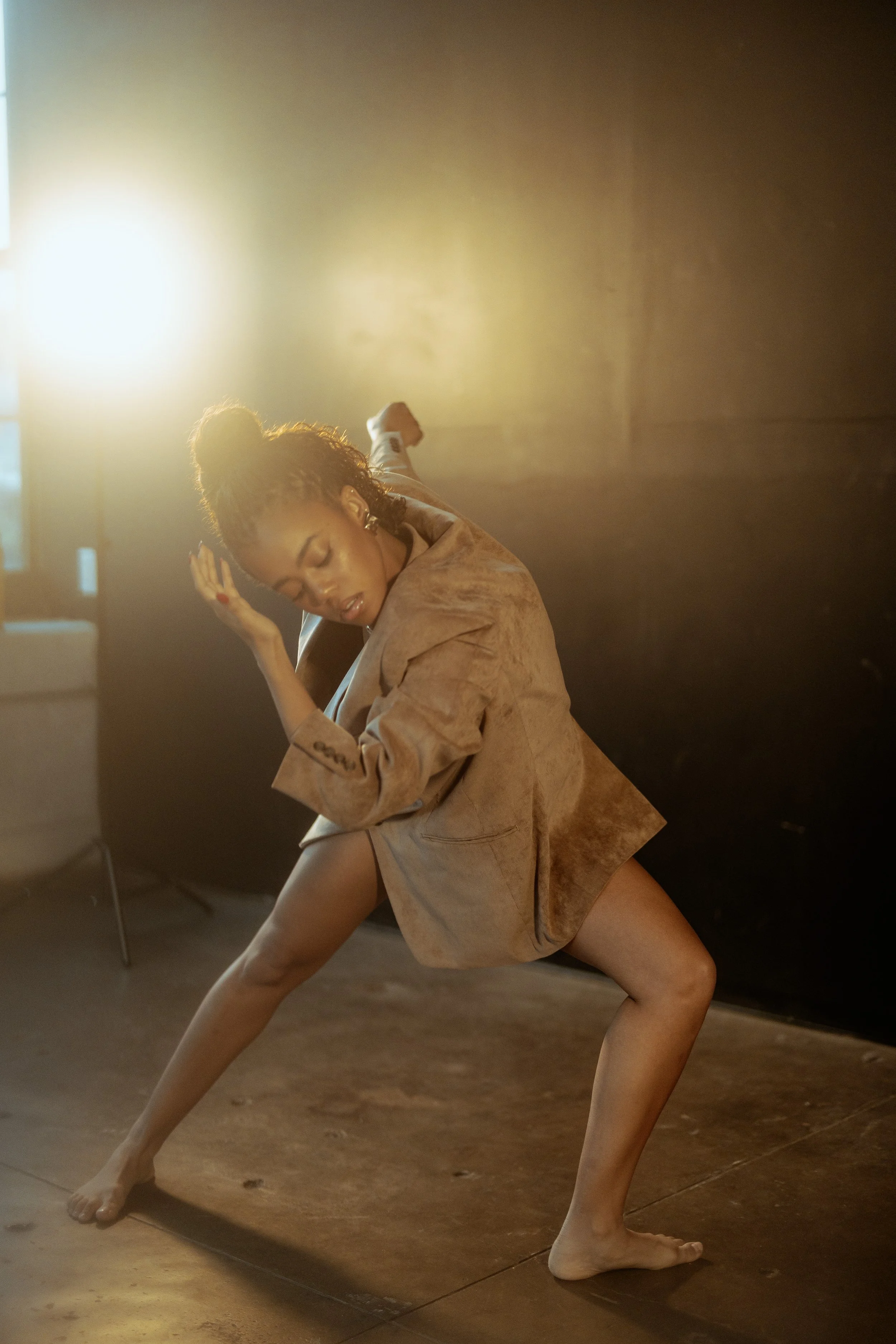
Photo by Hannah Mayfield
Stafford's work is imaginative, vulnerable, and deeply human. She aims to expand the artistic canon by contributing work that brings depth to the lived experiences of Black culture. Central questions include: What is our current definition of Black? How does it limit or liberate us? What does it mean to imagine Black identity beyond suppression and pain while acknowledging their impact? How do joy, community, and embodiment reshape our understanding of Blackness?
Stafford's work explores themes of Afrofuturism, individuality, history, reclamation, and community through somatic practice, improvisation, and utilizing different dance genres. Her work exists in dialogue with interdisciplinary forms such as text, dramaturgy, projection, and research, creating layered, evolving performance landscapes. Each work is grounded in movement scores that cultivate shared language between artist and audience and illuminate complex ideas.
Audiences are not passive observers but active participants, embraced, implicated, and challenged. While rooted in the specificity of Black life, her work invites broader connection. Stafford creates to understand the unspoken truths shaping her community, affirm its richness, and expand the ways Blackness is defined and experienced. She hopes audiences leave not only moved but attuned to their world and their capacity to connect and reimagine.
2025 RESEARCH RESIDENT ARTIST
AUGUST HONEY
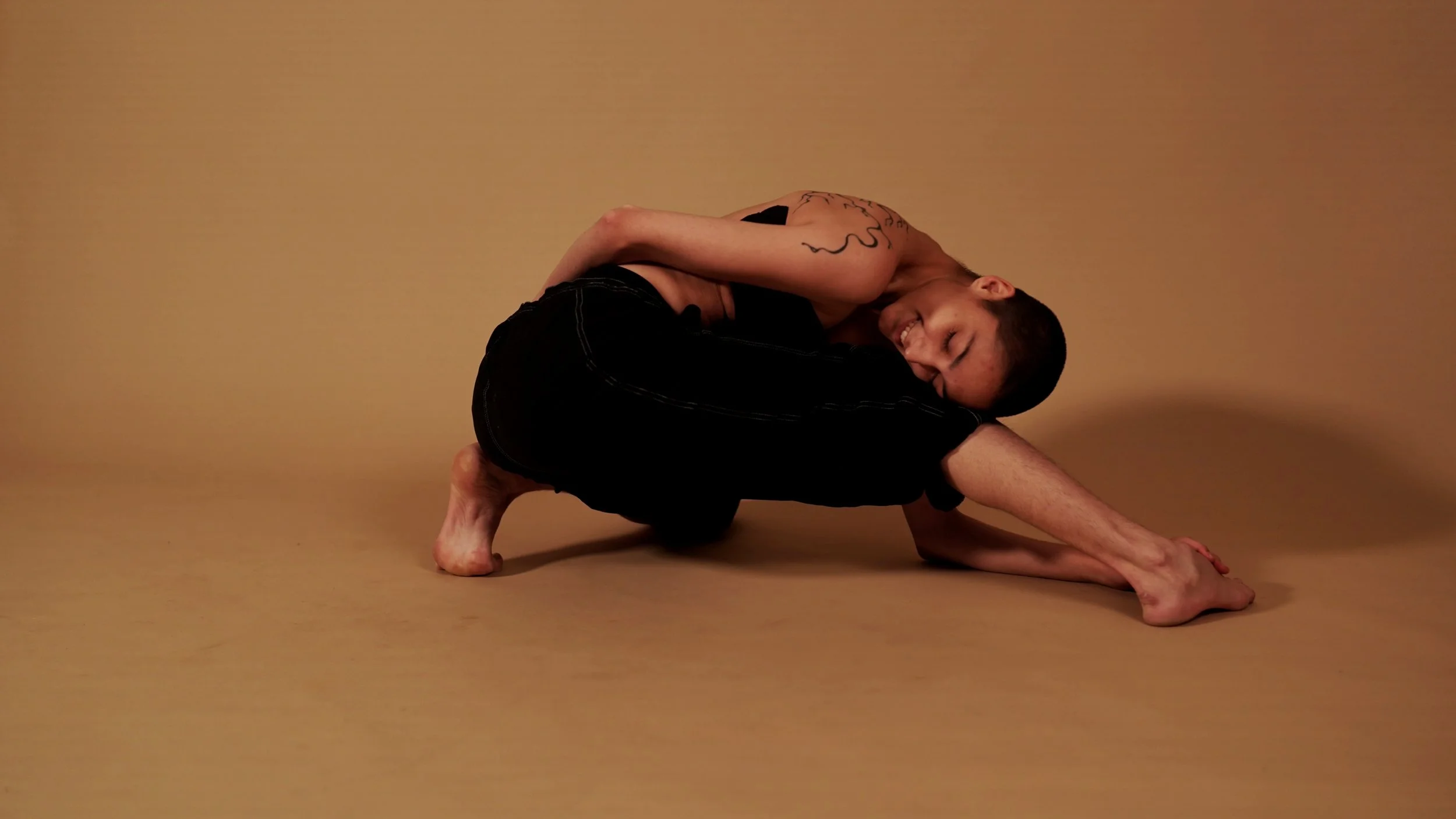
Photo by Branden Flaherty
August Honey is a multidisciplinary artist residing in Brooklyn, New York on Lenape land. Through acts of citation, choreography, textile installation, and (anti)language, they create work that celebrates QueerDisabled ways of being. August’s work honors rage, interdependence, and intimacy. They engage with these forces through Queer & Crip histories and languages, and sculpt them into works of performance.
August Honey is a co-founder of Interlude dance company, a 2024/25 AXIS Dance Company Choreo-Lab fellow, and a member of the Brooklyn Lace Guild. They can often be found gazing at trees, drinking tea, or leaving open cabinet doors.
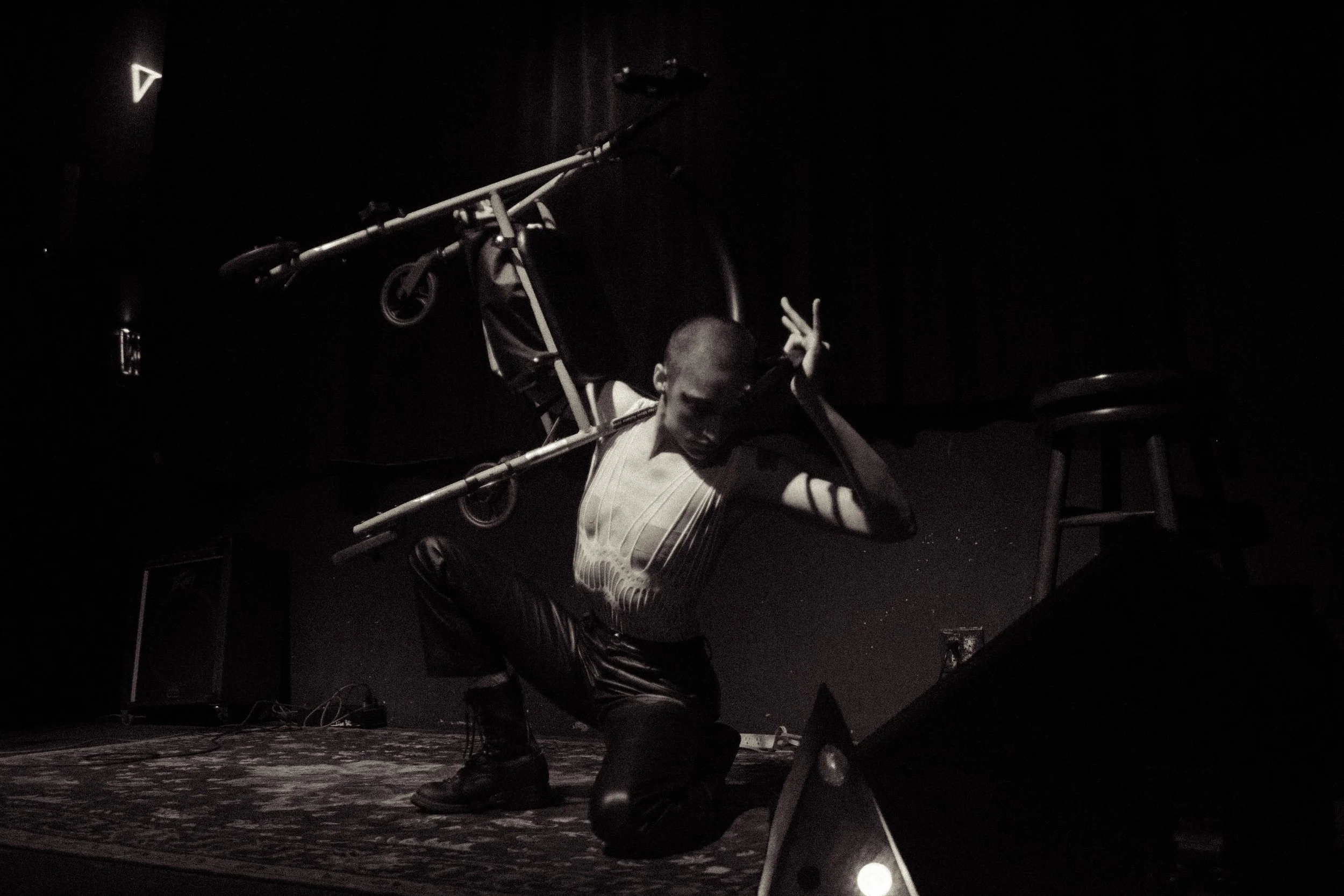
Photo by Hugo-Joan Rose
‘Crip Notation: Documenting Disabled Artistic Process’ is a multimodal project which uses dance, textile installation, (anti)language, and etymology as pathways to explore Disabled artmaking. August is interested in the disabled dancers' relationships to language, notation, interview, and the camera. They seek to identify ways that dance systems and institutions harm and outcast disabled artists, while celebrating the wisdom and innovation that exists in these margins. Employing the multisensory approaches and embodied knowledge of Disabled communities, August Honey is excited to embark on this process of longform writing, dance, textile art, and conversation.